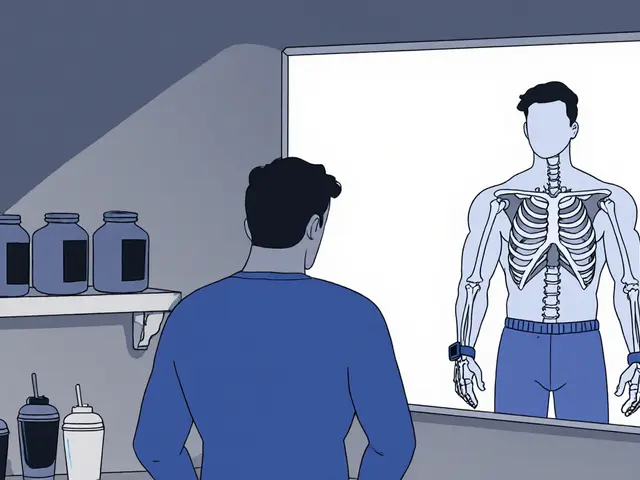
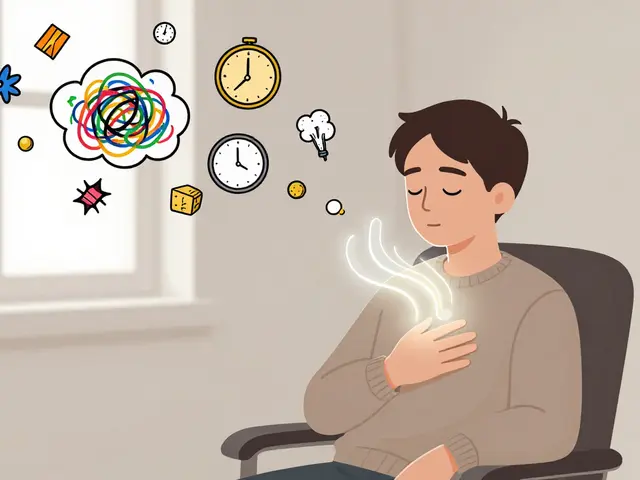
Rozštěpení: Co to je a jak psychoterapie pomáhá zvládat rozdvojenou sebevědomost
When you feel like you’re not really you anymore—like parts of you disappeared or got locked away—you’re not crazy. You’re responding to something that was too much to hold. rozštěpení, psychologická obranná reakce, při které člověk od sebe odděluje bolest, vzpomínky nebo citové reakce, aby přežil. Also known as dissociace, it’s not a choice. It’s your mind’s way of saying: "I can’t handle this right now." This isn’t something you do on purpose—it’s something your brain does to protect you. And it shows up in subtle ways: forgetting chunks of time, feeling like you’re watching yourself from outside, or suddenly acting like someone else.
trauma, hluboké psychické zranění způsobené násilím, zanedbáním nebo dlouhodobým strachem. Also known as komplexní trauma, it’s the root of most cases of rozštěpení. You don’t need to have survived war or abuse to carry it—emotional neglect, constant criticism, or growing up in a household where your feelings didn’t matter can do the same damage. And when trauma stays unprocessed, your mind splits off pieces of yourself to keep you going. That’s why therapy isn’t about fixing you—it’s about helping you remember who you were before you had to hide. This is where terapeutická aliance, důvěra a bezpečný vztah mezi klientem a terapeutem, který umožňuje hlubokou změnu. Also known as terapeutický vztah, it’s the single most important factor in healing rozštěpení. No technique works if you don’t feel safe. No method helps if you’re still afraid of being seen. The right therapist doesn’t push you to remember—they help you slowly, gently, reassemble the parts you left behind. And that’s why trauma-informed přístup, metoda, která nevyvolává trauma, ale vytváří bezpečný prostor pro uzdravení. Also known as citlivá praxe, it’s the only way forward for people carrying this kind of pain. It’s not about digging up the past—it’s about rebuilding your sense of safety, control, and self-worth right now.
What you’ll find in these articles isn’t theory. It’s real talk from people who’ve been there—and therapists who know how to walk with you through it. You’ll learn how to recognize when your mind is splitting off, how to build internal anchors so you don’t feel lost, and why the right therapist can make all the difference between staying stuck and finally coming home to yourself.
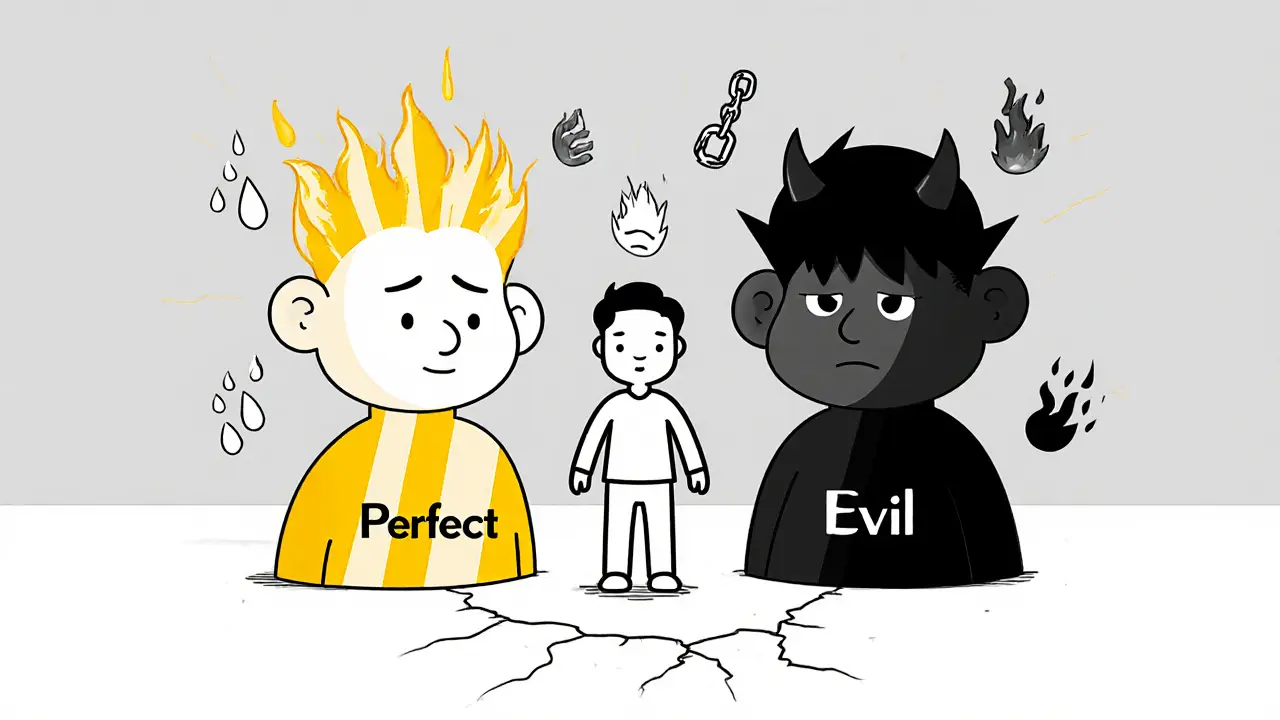
Jak pracovat s černobílým myšlením v psychoterapii: Přístupy k rozštěpení u hraničních poruch osobnosti
Černobílé myšlení je primitivní obranný mechanismus, který rozděluje svět na „dobré“ a „zlé“. V psychoterapii se s ním pracuje prostřednictvím stabilizace vztahu a pomalého rozšiřování vnímání. Není to nemoc - ale způsob, jakým se člověk naučil přežít.
Zobrazit víceNejnovější příspěvky