Stabilizace po záchvatu: Jak se vrátit k klidu a zabránit opakování
When you're in the middle of a panic attack or emotional collapse, your body and mind scream for safety. But what happens stabilizace po záchvatu, proces, který pomáhá člověku znovu najít klid a kontrolu po silném emocionálním nebo fyziologickém záchvatu? It’s not just about waiting for the storm to pass. It’s about rebuilding your inner ground so the next storm doesn’t knock you down again. This isn’t magic. It’s not even about willpower. It’s about learning how your nervous system works and giving it the right signals to calm down—on purpose.
After a panic attack, your brain is stuck in survival mode. Your heart races, your breath is shallow, and your thoughts spiral. That’s normal. But if you don’t do anything to reset it, your brain starts to expect this. And soon, it triggers the alarm even when there’s no real danger. That’s when úzkost, přirozená reakce na nejistotu, která se přemění v chronický stav, kdy tělo neustále čeká na hrozbu becomes a constant companion. The key isn’t to eliminate anxiety—it’s to stop letting it control you. And that starts with prevence relapsu, systémový přístup, který zahrnuje konkrétní nástroje, rytmy a podporu, aby se záchvaty neopakovaly. You don’t need to understand all the theory. You just need a few practical steps you can do right now—when you’re still shaky.
People who recover well after a crisis don’t do it alone. They use tools: grounding techniques that pull them back into their bodies, breathing patterns that tell their nervous system it’s safe, routines that create predictability. They learn to spot early warning signs—like tension in the shoulders or that familiar thought loop—before it turns into a full-blown attack. And they don’t wait until the next breakdown to act. They build daily habits that act like a safety net. This is what psychoterapie, proces, ve kterém se člověk učí rozumět svým emocím a chováním s pomocí odborníka teaches—not in theory, but in practice. It’s about rewiring how you respond, not just how you feel.
What you’ll find in the posts below isn’t a list of quick fixes. It’s a collection of real, tested approaches—some from therapists in Liberec, others from research that actually works. You’ll see how people use coping cards to survive cravings, how structured follow-ups reduce relapse by nearly 40%, and why combining therapy with simple daily routines makes the biggest difference. There’s no one-size-fits-all fix, but there are clear patterns: safety first, consistency over intensity, and connection over isolation. You’re not broken. You’re learning how to hold yourself together when everything feels like it’s falling apart. And you’re not alone in this.
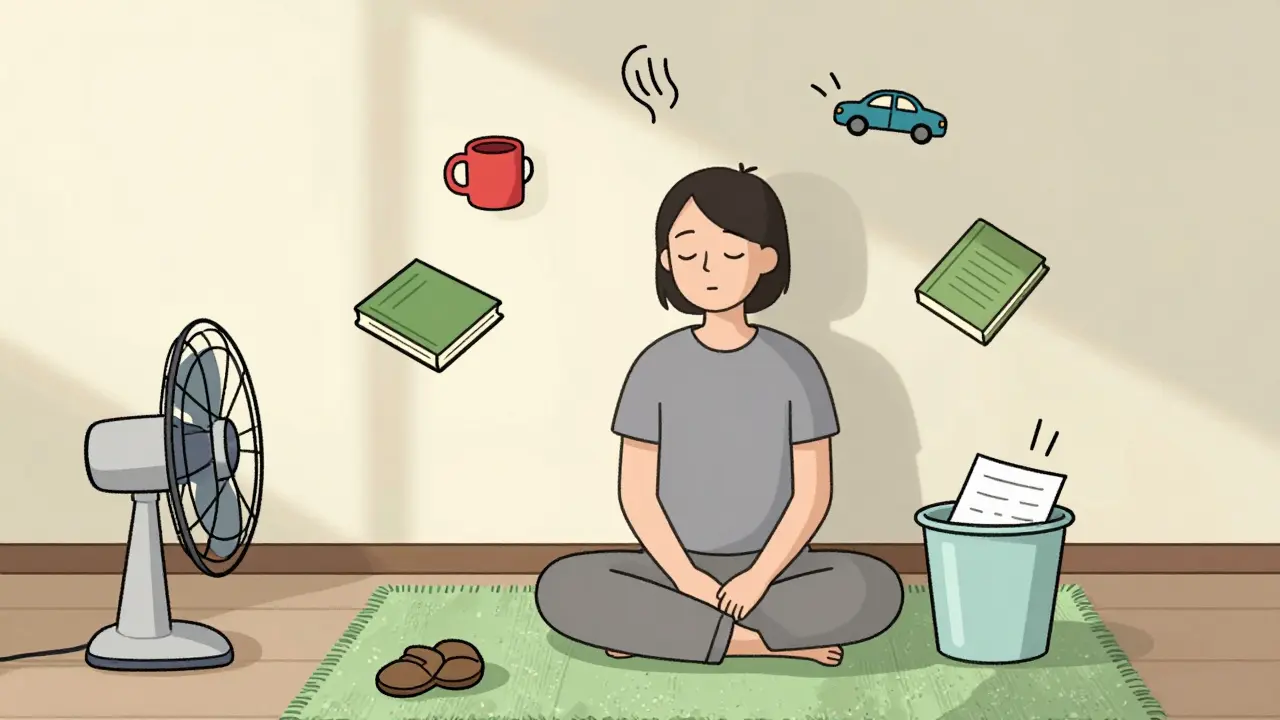
Jak stabilizovat po panickém záchvatu: Postupy do 24 hodin
Po panickém záchvatu je klíčové stabilizovat tělo a mysl v prvních 24 hodinách. Zjisti, jak dýchací techniky, kognitivní reevaluace a vyhnutí se stimulantům zabrání dalším epizodám. Praktické kroky podle českých odborníků.
Zobrazit víceNejnovější příspěvky